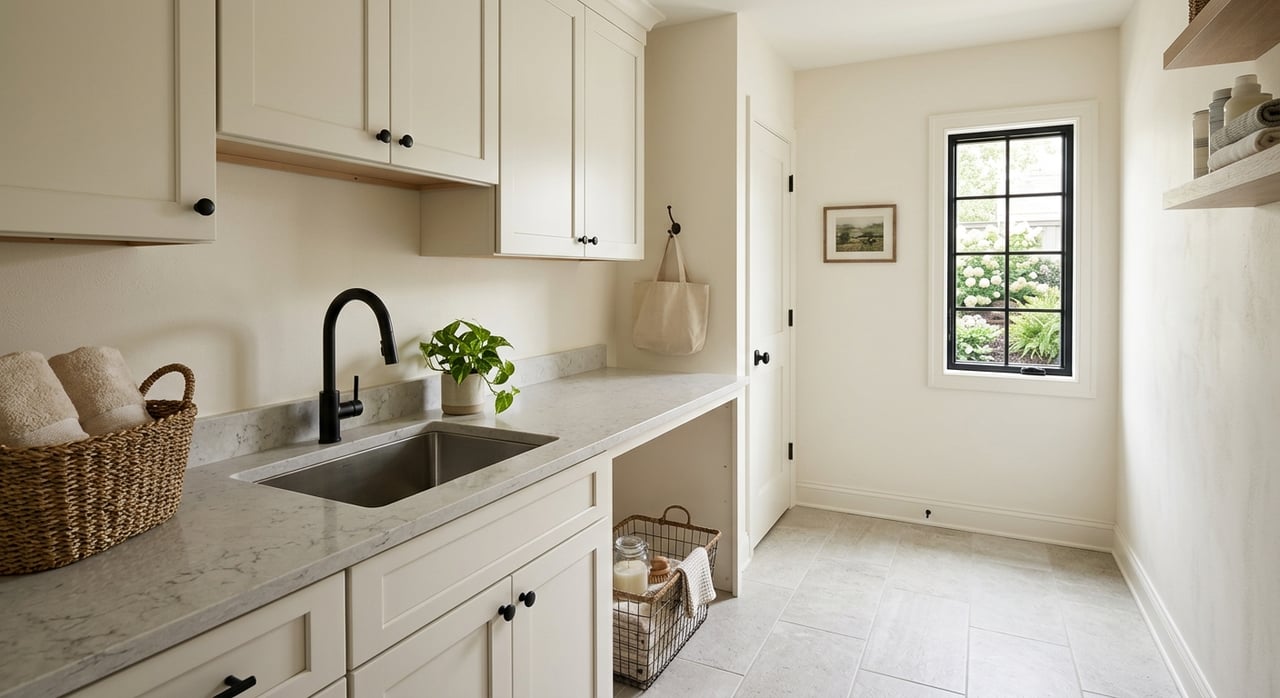
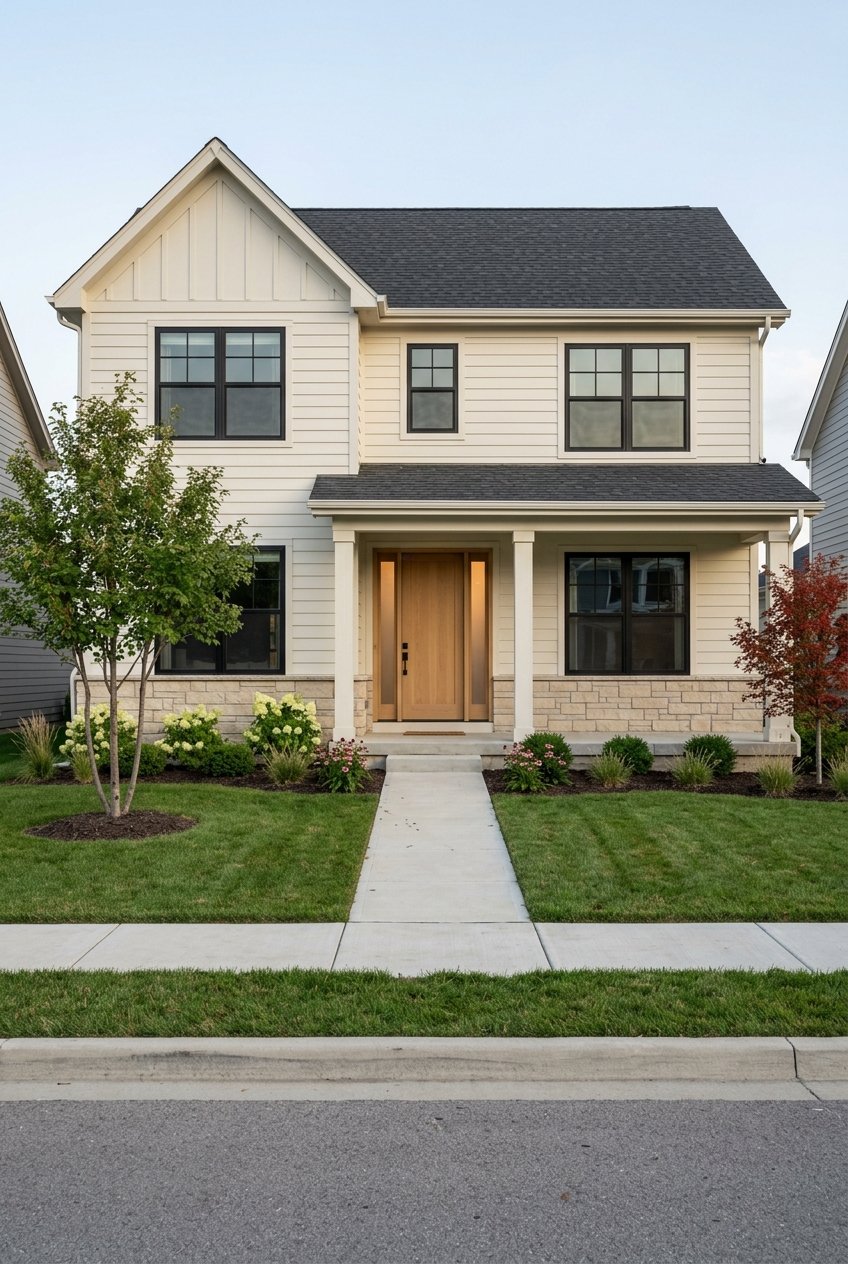
What To Know Before Investing In Raymore Rentals
May 28, 2026
May 28, 2026
If you are thinking about buying a rental in Raymore, it is easy to focus on listing photos and rent estimates first. But a smart investment decision usually comes down to what the local numbers actually support, how the property fits the area, and whether your budget can handle the real costs of ownership. If you want a clearer picture of what to look for before you invest in a Raymore rental, this guide will walk you through the key factors that matter most. Let’s dive in.
Raymore is a growing suburb in the Kansas City metro, and that growth matters when you are evaluating rental demand. The Census Bureau estimates Raymore had 25,962 residents in 2024, which is up 13.2% from 2020. That kind of population growth can support housing demand over time, but it does not mean every rental property will perform the same way.
The local profile also shows a market that leans heavily toward ownership rather than renting. In Raymore, owner occupancy is 78.2%, and ZIP code 64083 shows a similar split with 78.96% owner-occupied housing and 21.04% renter-occupied housing. That tells you this is not a renter-dominated market, so your rental strategy should be selective and realistic.
Another helpful signal is stability. About 90.1% of residents lived in the same house one year earlier, which suggests many neighborhoods have relatively steady turnover. For an investor, that can mean tenant demand may be tied more to specific home features and location advantages than to constant churn.
In 64083, the housing mix is overwhelmingly single-family. About 84.26% of housing units are single-family, while only 13.17% are multi-family. That makes detached homes the most natural fit for the local housing stock and likely the clearest match for the area’s overall demand pattern.
Household size supports that same idea. Raymore’s average household size is 2.60, and in ZIP code 64083 it is 2.68. Combined with the owner-heavy market, this points toward a suburban rental environment where many renters may be looking for more space, practical layouts, and access to everyday amenities.
Local features add to that picture. The city reports more than 350 acres of parkland and more than 20 miles of trails and walking paths, and the Raymore-Peculiar School District lists multiple elementary, middle, academy, ninth-grade, and high school options. While no feature guarantees leasing success, homes with convenient access to parks, trails, and daily commuting routes may line up better with what many renters are already seeking in this area.
One of the biggest mistakes investors make is underwriting based on the highest rent they can imagine instead of what the market typically supports. In Raymore, the citywide median gross rent is $1,303, and the ZIP-level median gross rent is $1,287. Those numbers are useful starting points for conservative planning, especially for a stabilized residential rental.
The rent distribution in the ZIP also gives useful context. About 45.31% of renter households pay between $1,000 and $1,499, while 16.36% pay between $1,500 and $1,999. Only 6.27% pay $3,000 or more, which suggests the local market clusters much more in the low-to-mid $1,000s than at the high end.
That does not mean your property cannot command more than the median. It does mean you should be careful about building your numbers around a best-case scenario. A conservative approach can help protect you if the market softens, the property sits vacant longer than expected, or your make-ready costs come in higher than planned.
A rental property can look good on paper if you only compare mortgage payment to expected rent. The real test is whether the property still works after you account for the normal expenses that come with ownership. That is where many first-time investors get surprised.
A practical expense checklist should include:
The IRS also draws an important distinction between repairs and improvements. Repairs are generally treated differently from improvements for tax purposes, and mortgage principal payments are not deductible as an operating expense. If you are evaluating a property, it helps to think in two buckets: regular monthly costs and longer-term capital needs.
Raymore’s ZIP code shows 473 vacant units out of 10,553 total housing units, or about 4.48% vacancy. That is a useful market signal, but it should not be treated as a promise that your rental will stay occupied with no gaps. It also reflects all housing units, not just rentals.
A safer approach is to plan for some downtime between tenants. Even in a stable market, you may still have cleaning costs, minor repairs, lawn work, repainting, or a few weeks without rent while the home is being marketed. Those costs are part of the investment, not just occasional bad luck.
If you are converting a home into a rental or becoming an accidental landlord, this step matters even more. A vacancy reserve gives you breathing room so you are not making rushed decisions about rent, repairs, or tenant placement.
Location within Raymore can make a real difference when you evaluate rental potential. The city highlights access to major regional routes including I-49, I-70, I-35, and I-29, and the Census reports a mean commute time of 25.7 minutes. For many households, that mix of suburban living and regional access is part of the appeal.
When you review a property, think beyond the house itself. Consider how easy it is to get to major roads, shopping, parks, and daily services. In a mostly suburban, owner-oriented market like Raymore, convenience may be one of the most important drivers of demand.
This does not mean every property near a highway is automatically a better investment. It means access and usability should be part of your decision, especially when you compare similar homes in different parts of the ZIP code.
Before you close on a Raymore rental, make sure you understand what you can and cannot change about the property. Raymore’s Development Services Department oversees planning, zoning, building inspections, and code enforcement. The city’s Unified Development Code also regulates development activity, site plan review, zoning, and subdivision rules.
That matters if your plan includes adding a fence, building an accessory structure, changing exterior features, or making other site-related improvements. Even smaller updates can trigger questions about local requirements. It is much better to confirm those details before closing than to discover a limitation after you own the property.
This step is especially important if you are buying with a value-add strategy. A home may look like it has easy upside, but your timeline and budget can change quickly if local approvals are needed.
If you plan to self-manage, understanding Missouri landlord-tenant rules is part of the investment process. According to the Missouri Attorney General, landlords should make property habitable before move-in, handle repairs tied to ordinary wear and tear, avoid turning off utilities, and put key lease responsibilities in writing.
Security deposits also have clear rules. In Missouri, a security deposit cannot exceed two months’ rent, and the landlord has 30 days to return it with an itemized list of damages if money is withheld. Wrongful withholding can expose a landlord to double damages, so clear documentation matters.
Lease structure matters too. The Missouri Attorney General says a lease for one year or more must be written and signed. For a small investor, this is a reminder that screening, move-in documentation, inspections, and strong records are not optional admin tasks. They are part of protecting your property and your finances.
Before you buy a rental in Raymore, it helps to slow the process down and pressure-test the deal. A property does not need to be perfect, but it should make sense for this market and for your budget.
Use this simple checklist as a starting point:
The goal is not to eliminate all risk. The goal is to make a decision based on realistic assumptions instead of optimistic guesses.
Raymore appears to support a conservative single-family rental strategy more than a high-risk, high-rent play. The area is growing, housing is dominated by detached homes, rents cluster around the low-$1,300s, vacancy appears modest, and access to regional commuting routes adds to the appeal. At the same time, the owner-heavy market and Missouri landlord rules make careful underwriting, strong documentation, and local due diligence especially important.
If you are thinking about investing in Raymore, the best next step is usually not just finding any available property. It is finding the right property for the local market, your goals, and your comfort with ongoing ownership costs. If you want a calm, step-by-step conversation about buying an investment property in the Kansas City metro, connect with Michelle Thompson.
Stay up to date on the latest real estate trends.


Trust her seasoned expertise and local Kansas City-area insight to guide your home search or sale. With dedication, clarity, and a client-first approach, she ensures every step feels confident, seamless, and tailored to your needs.