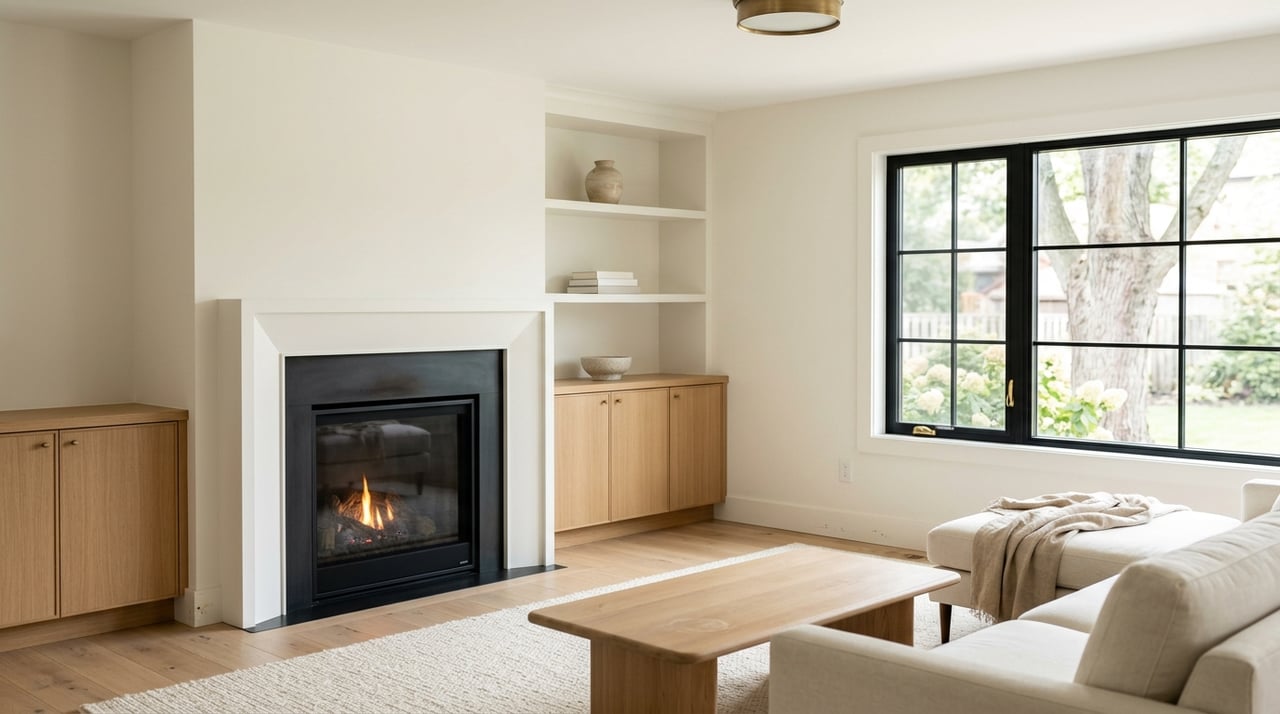
How To Price Your Overland Park Home Strategically
June 18, 2026
June 18, 2026
Thinking about selling your Overland Park home and wondering where to price it? That question matters more than ever, because in this market, the right price can create strong interest fast, while the wrong price can slow everything down. If you want a smart, calm approach instead of guesswork, this guide will show you how strategic pricing really works in Overland Park. Let’s dive in.
Overland Park is active, but it is not one-size-fits-all. Over the three months ending May 2026, Redfin reported homes sold in about 9 days, received 3 offers on average, and had a median sale price of $494,704. At the same time, Zillow’s April 2026 snapshot showed a typical home value of $487,466, a median sale-to-list ratio of 0.995, and that 47.8% of homes sold under list price.
Those numbers tell an important story. Buyers are still moving, but they are also selective. A well-priced home can attract fast attention, while an overpriced home may sit longer or need a price cut.
The foundation of strategic pricing is recent comparable sales. Johnson County’s appraiser defines fair market value as the amount a well-informed buyer would pay and a well-informed seller would accept in an open, competitive market. The county also says valuation considers factors like location, size, shape, age, quality, condition, and comparison with similar properties.
That means your list price should begin with homes that have actually sold, not just homes that are currently listed. Sold properties show what buyers were truly willing to pay. They give you a more reliable baseline than an asking price that has not yet been tested by the market.
The best comps usually share key traits with your home, including:
If one comp has a renovated kitchen and yours does not, that difference matters. If your home backs to a different setting or has a more functional floor plan, that matters too.
Square footage is only part of the story. Johnson County’s valuation guidance makes clear that condition and physical features are central to value. In real life, buyers compare your home to other options and quickly decide whether the price feels justified.
That is especially important in today’s market. Zillow reported that 33.4% of Overland Park sales closed above list price, but 47.8% closed below list price. This split suggests buyers are rewarding homes that show well and feel move-in ready, while being more cautious with homes that need work or feel priced too aggressively.
Before setting a price, it helps to look at your home honestly:
A strategic price reflects those answers. It should not punish you for every cosmetic detail, but it should match what buyers will see and compare.
Sold comps tell you where the market has been. Active listings show what buyers are choosing from right now. Both matter.
Realtor.com showed 895 homes for sale in Overland Park in March 2026, while Zillow showed 344 homes in inventory in April 2026. Even though those sources measure inventory differently, the takeaway is the same: buyers have options, and they will compare your home to homes that are available today.
If a nearby home has similar square footage, more updates, and a similar price, buyers will notice. If another listing offers a better layout or presentation for the same number, your home may feel overpriced even if your comp analysis looked reasonable on paper.
This is why strategic pricing is not just about pulling a few recent sales. You also need to evaluate what else is on the market and how your home stacks up in terms of condition, features, and presentation.
One of the biggest pricing mistakes is treating all of Overland Park the same. Realtor.com neighborhood data shows median listing prices ranging from about $159,500 in The Crossings to around $550,000 in Shawnee Mission, with other areas landing between roughly $250,000 and $430,000. Median days on market also vary, from 27 days in Quivira Falls to 56 days in The Crossings.
That range matters because pricing should reflect your specific location, not citywide averages alone. Even within the same city, buyer demand, housing style, and pace can shift from one area to another. A neighborhood-level strategy is usually much more accurate than a broad city estimate.
It is easy to look up your address online and hope for a simple number. The challenge is that different platforms often show very different results.
In Overland Park, recent snapshots ranged from the high $480,000s to around $600,000 depending on the source and methodology. That does not mean one site is always right and the others are always wrong. It means these tools use different data windows and valuation methods, so they are best used as directional information.
Online values can help you understand a broad range, but they should not set your final list price by themselves. A more reliable plan is to use them as a starting point, then compare them against:
That process gives you a market-based range instead of a random number.
Pricing does not happen in a vacuum. Buyer affordability still shapes how much flexibility exists in the market.
Freddie Mac reported the average 30-year fixed mortgage rate at 6.52% on June 11, 2026, down from 6.84% a year earlier. That improvement helps, but rates are still high enough that many buyers are payment-sensitive. In practical terms, that means they may respond quickly to a well-priced home and hesitate on one that feels stretched.
When monthly payments are a bigger concern, buyers tend to be more careful. That is one reason accurate pricing often performs better than aspirational pricing. A home can still sell well, but it usually needs to feel aligned with today’s budget reality.
If you want a clear way to think about pricing your Overland Park home, focus on this order:
Start with the most relevant recent sales. Look for homes that are truly similar in location, size, age, layout, lot, and overall appeal. This gives you the strongest baseline for value.
Then evaluate how your home compares to those sold properties. If your home is more updated, better maintained, or more functional, that may support stronger positioning. If it needs work or feels dated, the price may need to reflect that.
Finally, compare your home to what buyers can shop today. If competing listings offer more at the same price point, your strategy may need to shift. If your home stands out well in its price range, that can support a confident launch.
Even in a strong market, a few mistakes can make selling harder than it needs to be.
Johnson County uses fair-market-value principles for tax administration, but your tax value is not the same thing as a list-price strategy. Your asking price also needs to reflect current competition and your timeline.
No single portal can fully capture your home’s exact condition, updates, or buyer response. Online estimates can be useful, but they should never be the only pricing input.
It is natural to want to aim high. But if the market does not support that number, the result can be fewer showings, longer market time, and more pressure to reduce later.
A strategic price is not about underpricing your home. It is about positioning it where buyers see value and feel motivated to act.
In Overland Park, that means balancing local comps, condition, and competition in a market where homes can move fast but buyers are still careful. With a clear plan, you can price in a way that supports attention, protects your timeline, and gives your sale the best chance to start strong.
If you want a calm, data-driven plan for your next move, Michelle Thompson can help you price your Overland Park home with clarity and confidence.
Stay up to date on the latest real estate trends.


Trust her seasoned expertise and local Kansas City-area insight to guide your home search or sale. With dedication, clarity, and a client-first approach, she ensures every step feels confident, seamless, and tailored to your needs.