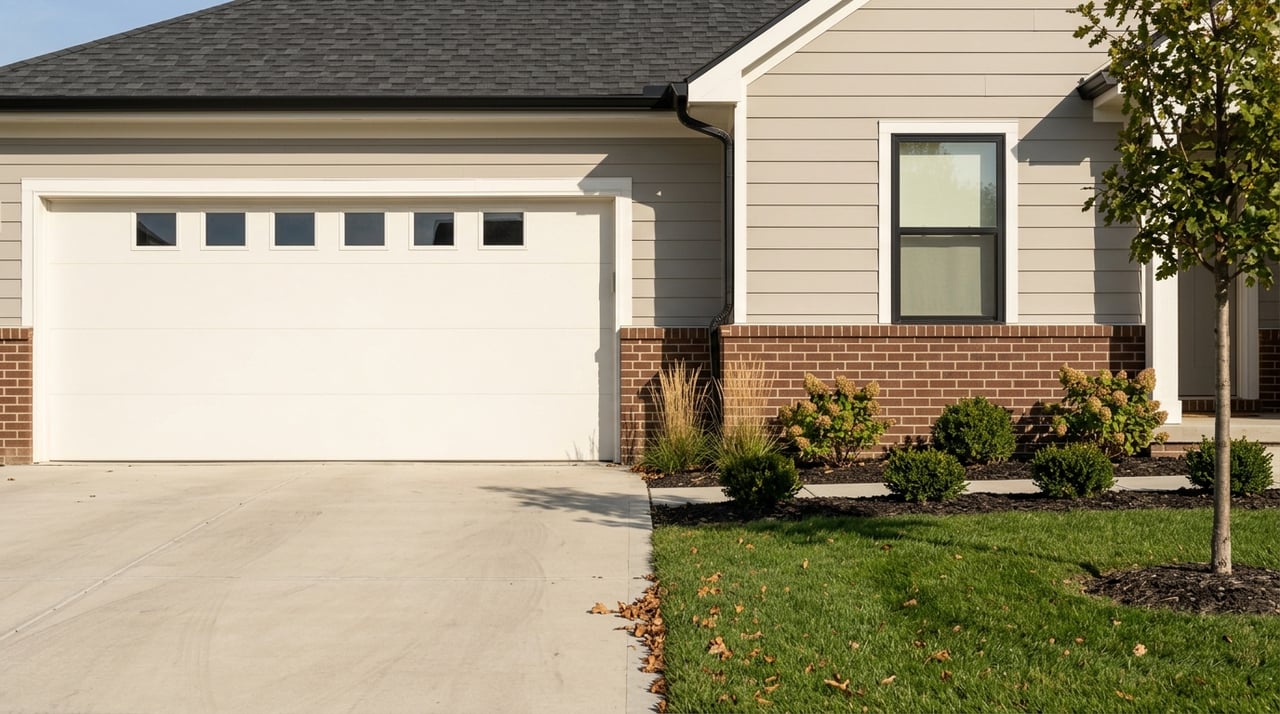
First-Time Home Buying In Overland Park
April 2, 2026
April 2, 2026
Buying your first home in Overland Park can feel exciting, but it can also feel like a lot to manage at once. You are likely balancing your budget, loan options, home wish list, and a fast-moving market, all while trying to avoid costly surprises. The good news is that the process becomes much easier when you know what to expect and what matters most locally. This guide walks you through the key steps, costs, and Overland Park-specific details so you can move forward with more confidence. Let’s dive in.
If you are buying your first home here, it helps to know that Overland Park remains a fairly active and relatively expensive market. Redfin reports a February 2026 median sale price of $436,000, while Zillow reports an average home value of $463,765 and says homes were going pending in about 8 days. Zillow also noted that 29.5% of sales closed above list price.
The numbers vary by source, but the takeaway is the same. If you want to compete in Overland Park, you should be preapproved, financially prepared, and ready to make decisions quickly when the right home appears.
Before you schedule showings, get preapproved. KCRAR explains that preapproval is more formal than pre-qualification because it includes a loan application and a deeper review of your finances. It gives you a clearer picture of the amount, type, and terms of mortgage a lender may offer.
That matters for two reasons. First, it helps you shop within a realistic price range. Second, in a market where homes can move fast, sellers often take preapproved buyers more seriously.
Your lender will typically look at your income, debts, assets, credit, and employment history. Once the lender has the six required application items, the Consumer Financial Protection Bureau says you must receive a Loan Estimate within three business days. That document helps you compare expected loan terms and closing costs early in the process.
Preapproval is not just a box to check. It is the first step that helps you shop with confidence and avoid wasting time on homes that do not fit your budget.
Many first-time buyers still assume they need 20% down, but that is not always true. HUD states that qualified FHA borrowers can make a minimum required investment of at least 3.5% of the lesser of the sales price or appraised value.
That said, your down payment is only one part of the picture. NAR’s 2025 profile says first-time buyers put down a median of 10%, and savings were the most common source of those funds. Some buyers also used gifts, loans from relatives or friends, or financial assets.
As a first-time buyer, you should also plan for:
This is especially important in Overland Park, where some homes still sell above list price. Your cash needed at closing may be more than you expected if you only planned for the down payment.
KREC notes that real estate licensees are required to provide buyers an approximate amount of closing costs when an offer is written. That is helpful, but it is still smart to keep a financial cushion beyond your minimum numbers.
If you are hoping for down payment help, it is important to know what applies here. KHRC’s First Time Homebuyer program provides down payment and closing cost assistance in eligible Kansas areas, but it does not operate in Johnson County.
For many Overland Park buyers, that means the most realistic options may be lender-specific assistance, gift funds, or a loan product with a lower down payment requirement. This is one more reason to talk through financing early, before you start touring homes.
Your monthly payment is more than principal and interest. Property taxes are an important part of your budget, and Overland Park has a few local details worth knowing.
The city’s property tax page says the city tax rate is 14.540 mills, and residential assessed value is 11.5% of appraised market value. Your full tax bill also includes levies from Johnson County, the school district, and Johnson County Community College.
Johnson County says real estate taxes can be paid in full by Dec. 20 or in two installments, with the second half due by May 10 of the following year. Even if your lender escrows taxes as part of your payment, it still helps to understand how those costs are structured so there are no surprises.
Once you are preapproved, your search can move quickly. When you tour homes, focus on more than finishes and staging. KCRAR advises buyers to pay close attention to repair or update needs and the age and condition of major systems.
A simple touring checklist can help you stay grounded.
Pay close attention to:
A home that looks great online can still come with major costs. Keeping notes during each tour makes it easier to compare homes later and avoid emotional decisions.
When you find the right home, the offer stage can move fast. In Overland Park, that means you should understand not only price, but also the terms and contingencies that shape your risk.
KCRAR’s contract resources include standard language for financing, appraisal, and sale-of-home contingencies. In a market where some homes close above list price, you may also come across tighter contingency terms in competing offers.
Contingencies protect you in specific situations, such as:
KCRAR also has an appraised value contingency addendum that waives the buyer’s right to renegotiate after a low appraisal and requires proof that the buyer can bring extra funds to closing. For a first-time buyer, that is a good reminder that the strongest offer is not always the safest offer for your finances.
After your offer is accepted, the clock starts moving. KCRAR’s residential sale contract defaults to a 10-day inspection period if that blank is left empty. That makes the first several days after acceptance one of the most important phases of the entire transaction.
During that time, buyers commonly evaluate major components like the roof, foundation, plumbing, electrical, HVAC, drainage, pests, and other core systems. This is where a calm, organized plan matters most.
In Overland Park, radon should be treated as a standard part of your due diligence. Johnson County says extensive testing has found roughly 40% of homes have elevated radon levels, and KDHE recommends that all homebuyers have an indoor radon test before purchase or occupancy.
That is a local issue worth taking seriously. A standard home inspection does not automatically replace a radon test, so make sure you ask for it if it matters to your decision.
Earnest money is another part of the process that can confuse first-time buyers. The CFPB explains that if the sale closes, earnest money may be applied to your closing costs or down payment.
KREC explains that if a broker holds earnest money, release generally requires the transaction to close, a written agreement by both parties, or a court order. If a title company or other third party holds it, you should follow that escrow company’s instructions.
As your closing date approaches, the title company acts as a neutral settlement agent. Metropolitan Title explains that the title company orders or reviews title work, may handle a survey request, checks tax and HOA prorations, coordinates lender documents, prepares closing paperwork, and records the deed after signing.
You should also be ready to:
That three-day Closing Disclosure review period is part of the buyer protections outlined by the CFPB. It gives you time to compare final numbers and ask questions before signing.
If the full process feels overwhelming, it helps to break it into stages. In most cases, your path will look something like this:
The local twists in Overland Park are important. You need to budget for the area’s price point, understand the local tax structure, take radon seriously, and know that the state HOME-funded first-time buyer assistance program does not operate in Johnson County.
Buying your first home is a big step, but it does not have to feel confusing or rushed. With the right planning, clear expectations, and steady guidance, you can make smart decisions from preapproval to closing. If you are getting ready to buy your first home in Overland Park, Michelle Thompson is here to help you move through the process with clarity and confidence.
Stay up to date on the latest real estate trends.



Trust her seasoned expertise and local Kansas City-area insight to guide your home search or sale. With dedication, clarity, and a client-first approach, she ensures every step feels confident, seamless, and tailored to your needs.